Did you know that the average American household uses about 4.5 pounds of spices and herbs annually? Among these, Italian seasoning stands out as a pantry staple, gracing everything from pasta sauces to roasted vegetables with its aromatic charm. But have you ever paused to wonder, what’s actually in this beloved blend?
Italian seasoning isn’t a single, strictly defined recipe. Instead, it’s a harmonious mix of dried herbs commonly used in Italian cuisine. While brands might vary slightly, a core group of herbs consistently forms the foundation of this flavorful concoction.
The Core Herbs of Italian Seasoning
Think of these as the “dream team” of Italian herbs. They are the most frequently found and contribute the most to the overall profile:
1. Oregano
Oregano is arguably the most dominant herb in most Italian seasoning blends. It has a strong, pungent, and slightly bitter flavour with earthy undertones. Its aroma is unmistakable and instantly evokes images of sun-drenched Italian gardens. Oregano is essential to the classic taste of pizza and pasta sauce.
2. Basil
Sweet basil, with its mild, sweet, and slightly peppery notes, is another essential component. It adds a fresh, almost minty aroma that balances the earthiness of oregano. Basil is a cornerstone of many Italian dishes, and its inclusion in the seasoning blend brings a bright, herbaceous lift.
3. Thyme
Thyme contributes a subtle, earthy, and slightly floral flavour. It has a minty quality but is less sweet than basil and less pungent than oregano. Thyme adds complexity and depth to the blend, helping to tie the other flavours together.
4. Rosemary
While not always present in every blend, rosemary is a frequent and welcome addition. It offers a woody, pine-like aroma and a robust, slightly bitter flavour. Rosemary pairs wonderfully with meats and roasted vegetables, making it a valuable herb in Italian cooking.
Other Potential Additions
Beyond the core quartet, some Italian seasoning mixes might include these herbs to add further nuance:
1. Marjoram
Marjoram is closely related to oregano but has a sweeter, milder, and more delicate flavour. It offers a similar warmth without the same level of bitterness, providing a gentler herbal note.
2. Sage
Sage brings a distinctive, slightly peppery, and earthy flavour with hints of mint. It’s particularly good with richer dishes and meats, adding a savoury depth.
3. Parsley
Often included for its fresh, clean, and slightly grassy flavour, parsley acts as a brightener in the blend. It’s less about a dominant taste and more about adding a vibrant, herbaceous finish.
Why These Herbs Work So Well Together
The magic of Italian seasoning lies in the synergy of these herbs. They complement each other beautifully, creating a complex yet balanced flavour profile that is both comforting and versatile. The pungent oregano is mellowed by the sweet basil, grounded by the earthy thyme, and potentially enhanced by the robust rosemary or delicate marjoram.
According to the American Spice Trade Association, dried herbs and spices are essential for adding flavor, color, and aroma to food without adding significant calories or sodium. This makes Italian seasoning a healthy and flavorful way to elevate your meals.
How to Use Italian Seasoning
This versatile blend is your secret weapon in the kitchen. Here are just a few ideas:
- Pasta Sauces: The most obvious, but for good reason! Add it to marinara, bolognese, or any tomato-based sauce.
- Roasted Vegetables: Toss broccoli, potatoes, zucchini, or bell peppers with olive oil, Italian seasoning, salt, and pepper before roasting.
- Meats and Poultry: Sprinkle it on chicken, pork, or beef before grilling, baking, or pan-searing.
- Soups and Stews: A teaspoon or two can add incredible depth to minestrone, lentil soup, or chicken noodle soup.
- Garlic Bread: Mix it with butter or olive oil and spread on bread before baking.
- Salad Dressings: Whisk it into a vinaigrette for an extra layer of flavor.
Making Your Own Italian Seasoning
While store-bought blends are convenient, making your own allows you to customize the proportions to your liking. A basic ratio to start with could be:
- 2 parts oregano
- 1 part basil
- 1 part thyme
- 1/2 part rosemary (optional)
- 1/2 part marjoram (optional)
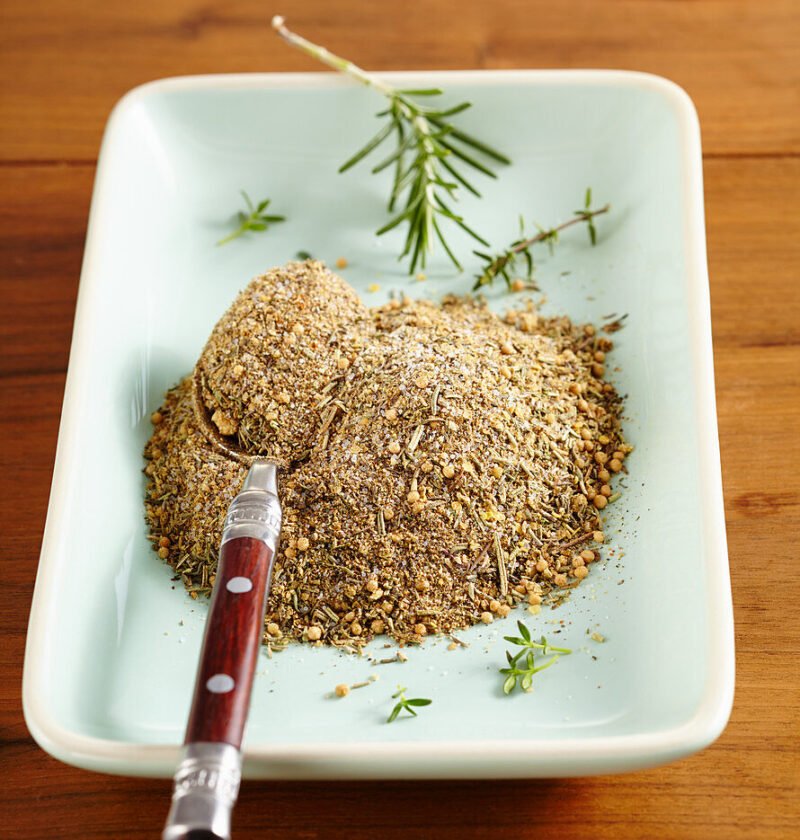
Combine your favourite dried herbs in a small bowl, mix well, and store in an airtight container. For more detailed recipes, the Spice House offers excellent guidance on creating custom spice blends.
Conclusion
Italian seasoning is more than just a random mix of herbs; it’s a carefully curated blend that captures the essence of Italian cooking. By understanding the individual contributions of oregano, basil, thyme, and their potential companions, you can better appreciate the depth of flavor this simple spice blend brings to your table. So next time you reach for that jar, you’ll know exactly what delicious ingredients are working their magic!