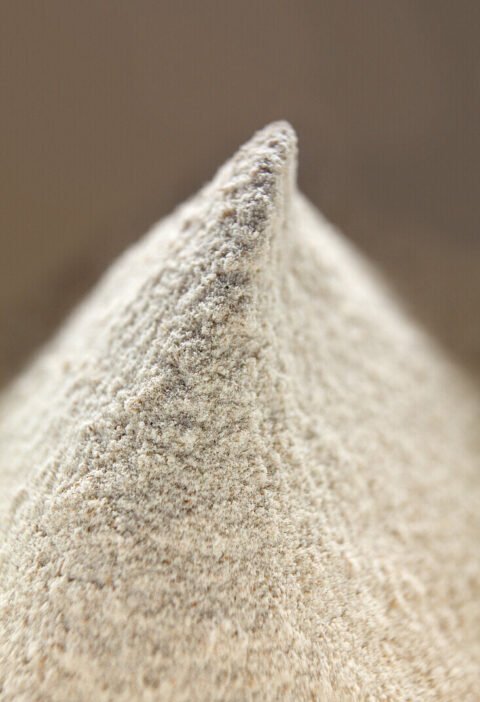
Whether you are overhauling your pantry for health reasons, managing a dietary sensitivity, or simply looking to level up your home baking, choosing the right flour can feel surprisingly overwhelming. Two of the most popular whole-grain options lining grocery store shelves today are brown rice flour and whole wheat flour.
While both offer significant nutrition compared to their refined white counterparts, they cater to very different dietary needs, baking styles, and health goals. Let’s break down their nutritional profiles, health benefits, culinary uses, and drawbacks so you can decide which one deserves a permanent spot in your kitchen.
Understanding the Basics
-
Brown Rice Flour: Made by grinding whole grain brown rice—including the nutritious bran, germ, and endosperm—into a fine powder. It is naturally 100% gluten-free and features a mild, slightly nutty flavour.
Sweet rice flour, Milled from short-grain rice, is a naturally gluten-free, unsweetened flour high in amylopectin. When heated, it becomes sticky and chewy, making it ideal for mochi, boba, and thickening sauces.
-
Whole Wheat Flour: Milled from whole wheat kernels, retaining all three layers of the grain. It contains gluten, the natural protein structure responsible for elasticity and rise in traditional baking, and delivers a robust, earthy, and nutty flavour profile.
Nutritional Face-Off: How They Compare
When evaluating flour for your diet, three main factors stand out: fibre content, protein, and carbohydrates.
1. Fibre and Digestibility
-
Whole Wheat Flour: Takes the crown for dietary fibre. A typical 1/4-cup serving provides roughly 3 to 4 grams of fibre, supporting digestive health, promoting satiety, and assisting in cholesterol management.
Sweet rice flour, Milled from short-grain rice, is a naturally gluten-free, unsweetened flour high in amylopectin. When heated, it becomes sticky and chewy, making it ideal for mochi, boba, and thickening sauces.
-
Brown Rice Flour: Offers a solid amount of fibre (around 2 grams per 1/4 cup), but generally falls slightly short of whole wheat. However, because it lacks gluten and is low in fermentable oligosaccharides (FODMAPs), brown rice flour is significantly easier on sensitive digestive systems and less likely to cause bloating or distress for individuals with IBS.
2. Protein Content
-
Whole Wheat Flour: Contains around 4 to 5 grams of protein per 1/4 cup. The presence of gluten proteins makes it a strong contender for those looking to maximise plant-based protein intake.
-
Brown Rice Flour: Provides about 3 grams of protein per 1/4 cup. While slightly lower, its protein profile is easy to digest and hypoallergenic.
3. Carbohydrates and Glycemic Index
Both flours are complex carbohydrates that supply steady, sustained energy rather than sharp blood sugar spikes. However, whole wheat flour generally has a slightly lower Glycemic Index (GI) than brown rice flour due to its higher protein and fibre content, making it a stellar option for long-term blood sugar regulation.
Key Health Benefits of Each
Why Choose Brown Rice Flour?
-
Essential for Celiac & Gluten Sensitivity: It is a safe, versatile foundation for anyone with celiac disease, non-celiac gluten sensitivity, or wheat allergies.
-
Heart and Metabolic Support: Rich in essential minerals like magnesium, manganese, and B vitamins, which support metabolic health, nerve function, and cardiovascular wellness.
-
Hypoallergenic: Highly suitable for elimination diets and allergen-conscious cooking.
Why Choose Whole Wheat Flour?
-
Superior Satiety: High fibre and protein keep you feeling fuller for longer, aiding in weight management.
-
Gut Health Booster: Packed with insoluble fibre that nourishes healthy gut bacteria and promotes regular bowel movements.
-
Rich in Micronutrients: High concentrations of iron, zinc, potassium, and antioxidants naturally present in the wheat germ.
In the Kitchen: Baking Performance
How flour behaves in recipes is often just as important as its nutritional label:
-
Whole Wheat Flour excels in yeast breads, dense muffins, quick breads, and rustic pancakes. The gluten network holds air bubbles, allowing dough to stretch and rise reliably without needing additional binding agents.
-
Brown Rice Flour produces a light, crispy texture—making it the ultimate secret weapon for frying batters, tempura, shortbreads, and cookies. However, because it lacks gluten, baking yeast bread with 100% brown rice flour requires binder substitutes like xanthan gum or psyllium husk to keep baked goods from crumbling.
The Verdict: Which Is Better for Your Diet?
There is no single “winner”—the right choice depends entirely on your personal health requirements:
-
Choose Brown Rice Flour if: You have celiac disease, a wheat allergy, or gluten intolerance, or if you struggle with digestive sensitivity and want a light, crispy texture in your cooking.
-
Choose Whole Wheat Flour if: You can tolerate gluten and your main goals are increasing dietary fiber, boosting plant protein, supporting gut health, and baking structure-heavy yeast breads.
Pro Tip: If you aren’t strictly gluten-free, you don’t have to choose just one! Blending 50% brown rice flour with 50% whole wheat flour in recipes like pancakes, cookies, or quick breads gives you the best of both worlds: a tender, light crumb paired with a high-fibre nutritional punch.